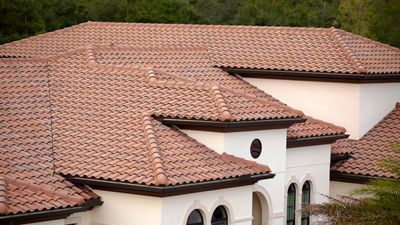
Complete Guide to Roof Types Used in California Homes
The roof is one of the most important components of any building. A properly designed roofing system protects the structure from weather, improves energy efficiency, enhances curb appeal, and contributes to the long-term durability of the property.
In California and Orange County, roofing systems must be designed to withstand intense sunlight, seasonal rain, coastal moisture, wind loads, and seismic movement while complying with California Building Code requirements.
This guide explains the most common roof types used in Southern California, their advantages, disadvantages, expected lifespan, and best applications.
Why Roof Selection Matters
A roof system affects:
- Structural performance
- Waterproofing
- Energy efficiency
- Home value
- Maintenance costs
- Fire resistance
- Solar panel installation capability
Selecting the proper roof system is essential for maximizing both performance and long-term value.
Roof Structure Components
A complete roofing system typically consists of:
Roof Framing
Usually constructed with:
- Prefabricated Roof Trusses
- Conventional Rafters
- Engineered Wood Systems
- Structural Steel Framing
Roof Sheathing
Common materials:
- Plywood
- OSB (Oriented Strand Board)
Underlayment
Protects against moisture infiltration.
Typical options include:
- Synthetic Underlayment
- Self-Adhered Waterproof Membranes
- Ice and Water Shield Systems
Roofing Material
The visible outer layer providing weather protection.
1. Asphalt Shingle Roof
Asphalt shingles remain one of the most common roofing materials in California.
Advantages
- Affordable
- Easy installation
- Wide color selection
- Simple repairs
- Good performance
Typical Lifespan
20–30 Years
Best Applications
- Single-family homes
- ADUs
- Rental properties
- Budget-conscious projects
Limitations
- Shorter lifespan than tile
- Can deteriorate under extreme UV exposure
2. Concrete Tile Roof
Concrete tile roofs are extremely popular throughout Orange County.
Many Mediterranean and Spanish-style homes use concrete roof tiles.
Advantages
- Long lifespan
- Excellent appearance
- Fire resistant
- Durable in Southern California climate
Typical Lifespan
40–50+ Years
Best Applications
- Custom homes
- Luxury homes
- Mediterranean architecture
Limitations
- Heavy weight
- Higher installation costs
- Requires stronger roof framing
3. Clay Tile Roof
Clay tile is considered one of the most premium roofing materials available.
Advantages
- Exceptional durability
- Beautiful appearance
- Excellent heat resistance
- Fire resistant
Typical Lifespan
50–100 Years
Best Applications
- High-end custom homes
- Luxury residential construction
- Spanish-style architecture
Limitations
- Expensive
- Fragile when walked on
- Heavy structural load
4. Metal Roofing Systems
Metal roofing has become increasingly popular in modern California construction.
Types of Metal Roofing
Standing Seam Metal Roof
Most common premium metal system.
Corrugated Metal Panels
Frequently used on agricultural and modern structures.
Metal Shingles
Designed to resemble traditional roofing materials.
Advantages
- Long lifespan
- Lightweight
- Fire resistant
- Excellent solar compatibility
- Low maintenance
Typical Lifespan
40–70 Years
Best Applications
- Modern homes
- Contemporary architecture
- Energy-efficient construction
Limitations
- Higher initial cost
- Professional installation required
5. Flat Roof Systems
Flat roofs are increasingly used in modern residential architecture and commercial construction.
Common Flat Roof Materials
TPO Roofing
Thermoplastic Polyolefin membrane.
PVC Roofing
Premium commercial roofing system.
Modified Bitumen
Multi-layer asphalt-based system.
Built-Up Roofing (BUR)
Traditional commercial roofing system.
Advantages
- Modern appearance
- Rooftop deck opportunities
- Solar panel friendly
- Lower material requirements
Limitations
- Requires proper drainage
- More sensitive to waterproofing defects
6. Cool Roof Systems
California energy regulations encourage the use of cool roof technologies.
Cool roofs reflect solar radiation and reduce heat absorption.
Benefits
- Lower cooling costs
- Improved energy efficiency
- Reduced roof temperatures
- Increased comfort
Common Cool Roof Materials
- Reflective shingles
- Reflective tile systems
- TPO membranes
- Reflective coatings
Roof Framing Systems
The roofing material is only one part of the overall roof system.
Conventional Roof Framing
Built on-site using rafters and ridge beams.
Advantages:
- Design flexibility
- Custom architecture
Roof Truss Systems
Factory-engineered components.
Advantages:
- Faster installation
- Lower labor costs
- Consistent quality
Most Orange County homes today utilize engineered roof trusses.
Roof Design Types
Gable Roof
The most common residential roof style.
Advantages:
- Excellent water drainage
- Cost effective
- Easy construction
Hip Roof
All sides slope downward.
Advantages:
- Improved wind resistance
- Better appearance
- Greater structural stability
Shed Roof
Single-sloped roof commonly used in modern architecture.
Advantages:
- Simple design
- Modern appearance
- Solar panel friendly
Flat Roof
Popular in contemporary homes.
Advantages:
- Modern aesthetics
- Rooftop living spaces
Roofing and Earthquake Performance
California's seismic activity requires special consideration.
Lightweight Roof Systems
Generally perform better during earthquakes because they reduce overall building mass.
Examples:
- Asphalt shingles
- Metal roofing
Heavy Roof Systems
Require additional structural engineering.
Examples:
- Concrete tile
- Clay tile
The heavier the roof, the greater the seismic force imposed on the structure during an earthquake.
For this reason, engineers carefully evaluate roof weight when designing homes in California.
Roofing and Rain Protection
Although Southern California receives relatively little annual rainfall, roof waterproofing remains critical.
A properly designed roof should include:
- Flashing systems
- Drip edge protection
- Waterproof underlayment
- Roof ventilation
- Proper drainage
Flat roofs require especially careful drainage design to prevent water ponding.
Roofing and Solar Panels
Many Orange County homeowners install solar systems.
Best roofing systems for solar include:
- Standing Seam Metal Roofs
- Asphalt Shingle Roofs
- Concrete Tile Roofs with engineered mounting systems
Solar planning should ideally be completed before roof replacement or new construction.
Which Roof Type Is Best?
Best Overall Value
Asphalt Shingle Roof
Best Long-Term Durability
Clay Tile Roof
Best Energy Efficiency
Cool Roof Systems
Best Modern Design
Standing Seam Metal Roof
Best Luxury Appearance
Clay Tile or Concrete Tile
Best for Flat Modern Homes
TPO or PVC Roofing Systems
Conclusion
The ideal roofing system depends on architectural style, budget, energy goals, maintenance expectations, and structural requirements. In Orange County, asphalt shingles, concrete tile, clay tile, metal roofing, and modern flat roof systems are all commonly used, each offering unique advantages.
At Jordan Remodeling, we help homeowners select the most appropriate roofing system for their property while ensuring code compliance, long-term durability, energy efficiency, and exceptional craftsmanship.